
 About Us
 FAQs
FAQs Blogs
Blogs Career
-
- UI/UX/ Design
- MVP Application Development
- Mobile App Consultancy
-
Native App
Development
- (1) iOS App Development Services
- (2) Android App Development Services
- Cross Platform App Development
- Mobile App maintenance and Services
- Hire Expert Mobile Application Developers
-
- Custom Web Application Development
- Enterprise Web Application Development
- Full Stack development
- Single Page Application Development
- Progressive Web Appplication Development
- Content Management System (CMS)
- Legacy System Migration
- eCommerce Solutions
- Hire Expert Web Application Developer
- Web Development Consultancy Service
 Software Development
 Mobile Application Development
 Web Application Development
 Requirement Assessment & Flawless Project Execution
 Product Prototypying
 Cloud & Infrastructure
 AI / ML
 Quality Assurance
 Data Analytics
 Hire Dedicated Developers
 Healthcare
 Logistics
 Finance
 Education
 Manufacturing
 Immigration
 Real Estate
 E-Commerce
 Retail
 Sports
 Furniture
 Garment
 Media & Entertainment
 Portfolio
 Case Studies
Contact Us
10-Reasons-Why-Businesses-Outsource-Software-Development
Smart companies don’t just build — they collaborate. Outsourcing is no longer a backup plan; it’s a growth strategy.
Author :
Dhvani | Updated October 2025 | 9 min read
Oct, 2025

Businesses-Outsource-Software-Development
Let’s explore this a bit more:
Businesses are under constant pressure to deliver next-gen products, scale rapidly, and keep innovation engines running without burning out budgets or teams. That’s where outsourcing software development shifts from being a cost-cutting tactic to a strategic growth move.
Here are 10 most compelling reasons why companies should Prioritize Outsourcing.
It gives companies access to world-class talent, advanced tech stacks, and faster delivery pipelines — all without the overhead of full-time hiring. From startups chasing MVPs to enterprises reinventing legacy systems, outsourcing has become the shortcut to staying relevant and competitive in a market that changes by the minute.
-
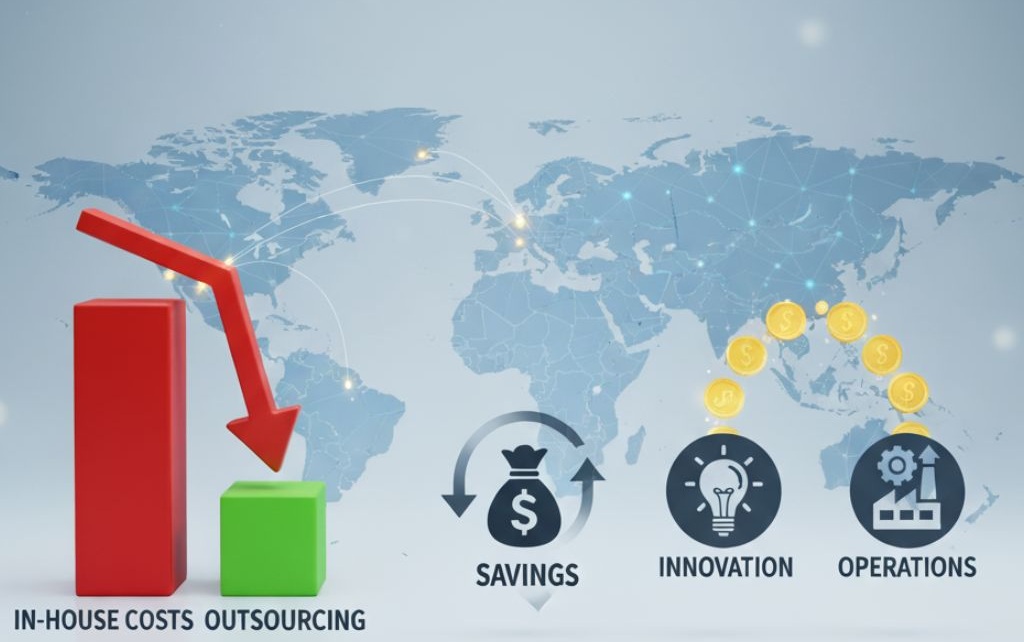
Cost Efficiency That Frees Up Growth
Outsourcing trims overheads — no office space, no payroll bloat, just results. Many top-tier agencies in Asia and Eastern Europe deliver world-class code for less. That means your budget stretches further — for marketing, product upgrades, or maybe that next big innovation sprint.
-
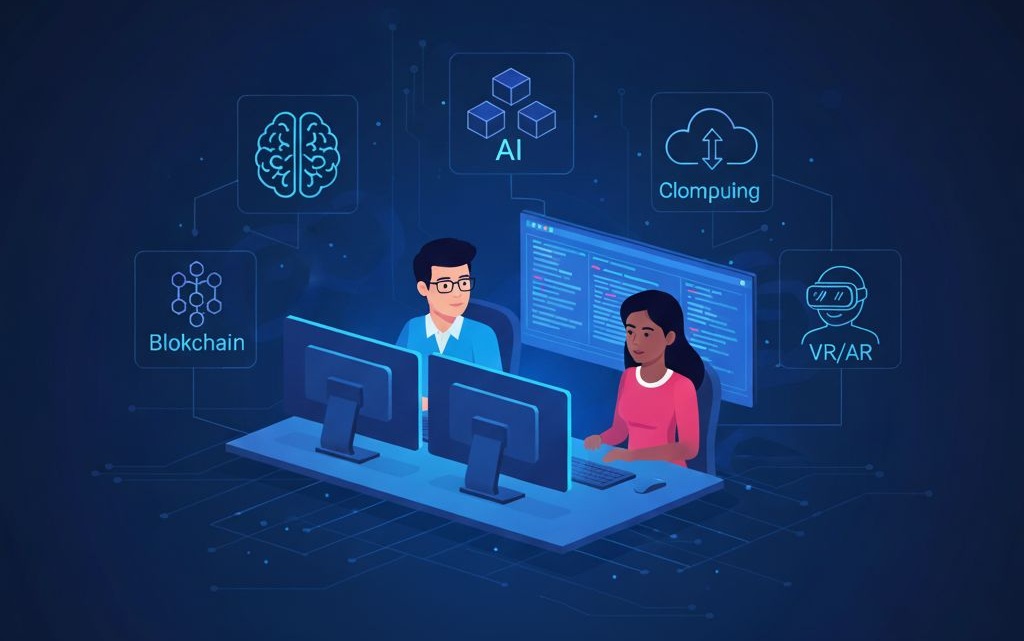
Access to Global Talent
Outsourcing opens doors to brilliant developers from across continents — each bringing fresh ideas, niche expertise, and innovation that’s hard to find locally.From AI to blockchain, you can match every project need with specialized skills on demand.
-
Focus on What You Do Best
Let’s be honest — not every company wants to manage code commits and sprint retros. By outsourcing dev work, your internal teams can double down on core business priorities like strategy, branding, and user growth — while the tech pros handle the backend grind.
-
Faster Time to Market
In business, speed = survival. Outsourced teams often operate in multiple time zones, meaning work continues 24/7.Round-the-clock productivity = faster launches, quicker bug fixes, and a stronger edge over slower competitors.

-
Scalability on Tap
Need 3 developers today and 12 next week? Outsourcing flexes with your workflow. You can scale your team size up or down — no long-term hiring headaches, no layoff anxiety. The model adapts as your product roadmap evolves.
-
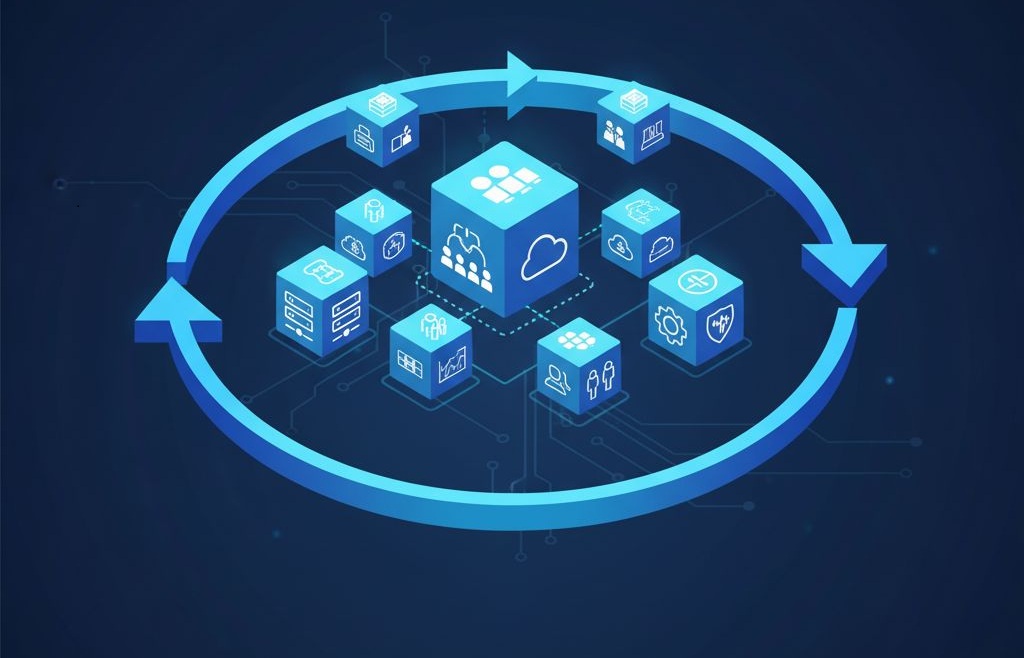
Risk Mitigation Built-In
Every project has curveballs — tech failures, tight deadlines, or feature creep. Experienced outsourcing partners come with battle-tested project management frameworks, ensuring issues are spotted early and resolved fast. You’re not alone in the chaos — you’re backed by pros who’ve seen it all.
-
Access to Advanced Tech Stack
Outsourcing partners often have access to cutting-edge technologies and tools that may not be available in-house. By collaborating with these partners, businesses can leverage the latest advancements in software development and stay ahead of technological trends. This access to state-of-the-art resources can result in higher quality products and improved functionality.
-
Quality That Speaks for Itself
When businesses outsource software development, they gain access to specialists who are dedicated to delivering high-quality products. These external teams have the expertise and experience to ensure that projects meet industry standards and client expectations. By prioritizing quality, businesses can enhance their reputation and customer satisfaction.
-
Innovation Through Collaboration
Outsourcing fosters an environment of innovation by bringing together diverse teams with unique perspectives and ideas. This diversity can lead to creative problem-solving and the development of innovative solutions that might not arise within a homogenous in-house team. Collaborating with global experts can inspire new approaches and drive business innovation.
-
Competitive Advantage That Lasts
Ultimately, outsourcing software development can provide businesses with a competitive edge. By leveraging cost savings, global talent, and cutting-edge technologies, companies can offer superior products and services to their customers. Outsourcing allows businesses to adapt quickly to market changes and stay ahead of their competitors in an ever-evolving landscape.

Conclusion
Outsourcing software development presents numerous benefits that can drive a business's success. From cost efficiency and access to global talent to enhanced innovation and a faster time to market, the advantages are clear. By strategically outsourcing, businesses can focus on their core activities, mitigate risks, and ultimately gain a competitive advantage in their industry. As the business world continues to evolve, outsourcing remains a valuable tool for companies striving for growth and excellence.
FAQS
Frequently Asked Questions
