
 About Us
 FAQs
FAQs Blogs
Blogs Career
-
- UI/UX/ Design
- MVP Application Development
- Mobile App Consultancy
-
Native App
Development
- (1) iOS App Development Services
- (2) Android App Development Services
- Cross Platform App Development
- Mobile App maintenance and Services
- Hire Expert Mobile Application Developers
-
- Custom Web Application Development
- Enterprise Web Application Development
- Full Stack development
- Single Page Application Development
- Progressive Web Appplication Development
- Content Management System (CMS)
- Legacy System Migration
- eCommerce Solutions
- Hire Expert Web Application Developer
- Web Development Consultancy Service
 Software Development
 Mobile Application Development
 Web Application Development
 Requirement Assessment & Flawless Project Execution
 Product Prototypying
 Cloud & Infrastructure
 AI / ML
 Quality Assurance
 Data Analytics
 Hire Dedicated Developers
 Healthcare
 Logistics
 Finance
 Education
 Manufacturing
 Immigration
 Real Estate
 E-Commerce
 Retail
 Sports
 Furniture
 Garment
 Media & Entertainment
 Portfolio
 Case Studies
Contact Us
Innovating
Logistics Software Development Services
In the realm of logistics, the integration of IoT (Internet of Things) and AI (Artificial Intelligence) technologies is proving to be a game-changer. IoT sensors enable real-time tracking of shipments, providing valuable data on location, temperature, and condition. This data helps optimize routes, reduce delays, and enhance overall supply chain efficiency. AI, on the other hand, offers predictive analytics for demand forecasting, route optimization, and predictive maintenance. By harnessing these modern tech solutions, logistics companies can streamline operations, minimize errors, and ultimately deliver faster and more reliable services to meet the evolving needs of today's businesses.
Furthermore, these technologies also empower logistics companies to offer enhanced customer experiences. Real-time visibility into shipments allows for proactive communication with customers, providing updates on delivery times and potential disruptions. This transparency builds trust and customer loyalty in an era where expectations for on-time deliveries are higher than ever. As logistics continue to play a pivotal role in global commerce, embracing IoT and AI solutions becomes not just a competitive advantage, but a necessity for long-term success in the industry.

Key Benefits
Improved Efficiency
Software solutions can automate and streamline processes, improving efficiency and resulting in faster delivery times.
Enhanced Visibility
A software solution can improve supply chain transparency, provide real-time visibility into operations, and reduce risks.
Better Customer Service
Real-time tracking and delivery estimates, as well as more responsive communication, improve customer service.
Increased Agility
Using a software solution can help organizations thrive in changing markets, manage risk better, and increase profitability.
Increased Cost Savings
Optimize routes, reduce fuel consumption, minimize inventory levels, and improve order accuracy with software solutions.
Improved Collaboration
A software solution can improve collaboration between logistics partners, suppliers, and customers.
Our Logistics IT & Software Solutions
.png)
Transportation Management System (TMS)
TMS can help manage transportation operations, from planning and execution to freight audit and payment, providing real-time visibility and enhancing decision-making.
.png)
Warehouse Management System (WMS)
A WMS can help streamline warehouse operations, from inventory management and order fulfillment to receiving and shipping.
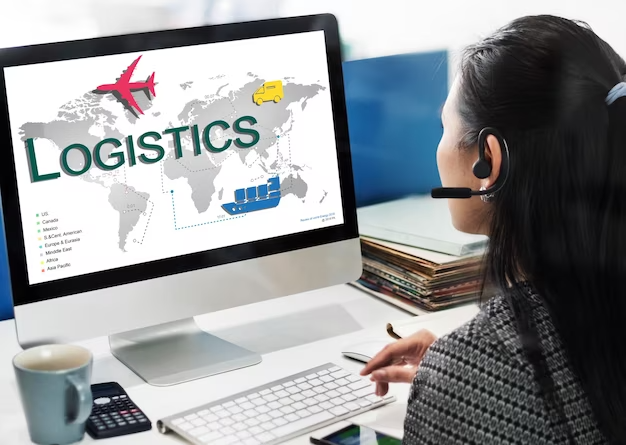
Freight Management Software
Freight management software can help optimize freight routing, track shipments, and manage carrier relationships, reducing transportation costs and improving efficiency.
-software.png)
Supply Chain Visibility Platform
A supply chain visibility platform can help provide real-time visibility into supply chain operations, enabling better decision-making and risk management.

Route Optimization Software
Route optimization software can help improve delivery times, reduce transportation costs, and minimize fuel consumption, enhancing efficiency and profitability.

Logistics Analytics Software
Logistics analytics software can help analyze supply chain data, identify bottlenecks, and optimize operations, improving efficiency and reducing costs
.png)
Electronic Data Interchange (EDI)
EDI can help automate document exchange between logistics partners, reducing errors and improving efficiency.
Customer Relationship Management (CRM) Software
CRM software can help manage customer relationships and improve customer satisfaction, enhancing the overall efficiency of logistics and transportation operations.

Inventory Management Software
Inventory management software can help optimize inventory levels, reduce waste, and improve order fulfillment accuracy, enhancing efficiency and profitability.

Fleet Management Software
Fleet management software can help manage vehicles, drivers, and maintenance, improving safety, reducing costs, and enhancing efficiency.
