 About Us
 FAQs
FAQs Blogs
Blogs Career
-
- UI/UX/ Design
- MVP Application Development
- Mobile App Consultancy
-
Native App
Development
- (1) iOS App Development Services
- (2) Android App Development Services
- Cross Platform App Development
- Mobile App maintenance and Services
- Hire Expert Mobile Application Developers
-
- Custom Web Application Development
- Enterprise Web Application Development
- Full Stack development
- Single Page Application Development
- Progressive Web Appplication Development
- Content Management System (CMS)
- Legacy System Migration
- eCommerce Solutions
- Hire Expert Web Application Developer
- Web Development Consultancy Service
 Software Development
 Mobile Application Development
 Web Application Development
 Requirement Assessment & Flawless Project Execution
 Product Prototypying
 Cloud & Infrastructure
 AI / ML
 Quality Assurance
 Data Analytics
 Hire Dedicated Developers
 Healthcare
 Logistics
 Finance
 Education
 Manufacturing
 Immigration
 Real Estate
 E-Commerce
 Retail
 Sports
 Furniture
 Garment
 Media & Entertainment
 Portfolio
 Case Studies
Contact Us
Top Software Development Agencies for Scalable Solutions in 2026
Clear agency comparison for 2026 with practical selection tips and a side-by-side analysis.
Author :
TechupR
24 Feb 2026

Product managers and technology leaders searching for a reliable software development agency face a maze of options — and the wrong partner can stall digital transformation or keep your products from scaling smoothly.
TL;DR
If you’re hiring a software development agency in 2026, prioritize proven delivery, scalable processes, and long-term support — not just price.
- Get a clear agency comparison for 2026
- See pros, cons, and practical tips for each
- Learn key selection criteria before hiring
- Understand differences in support and pricing
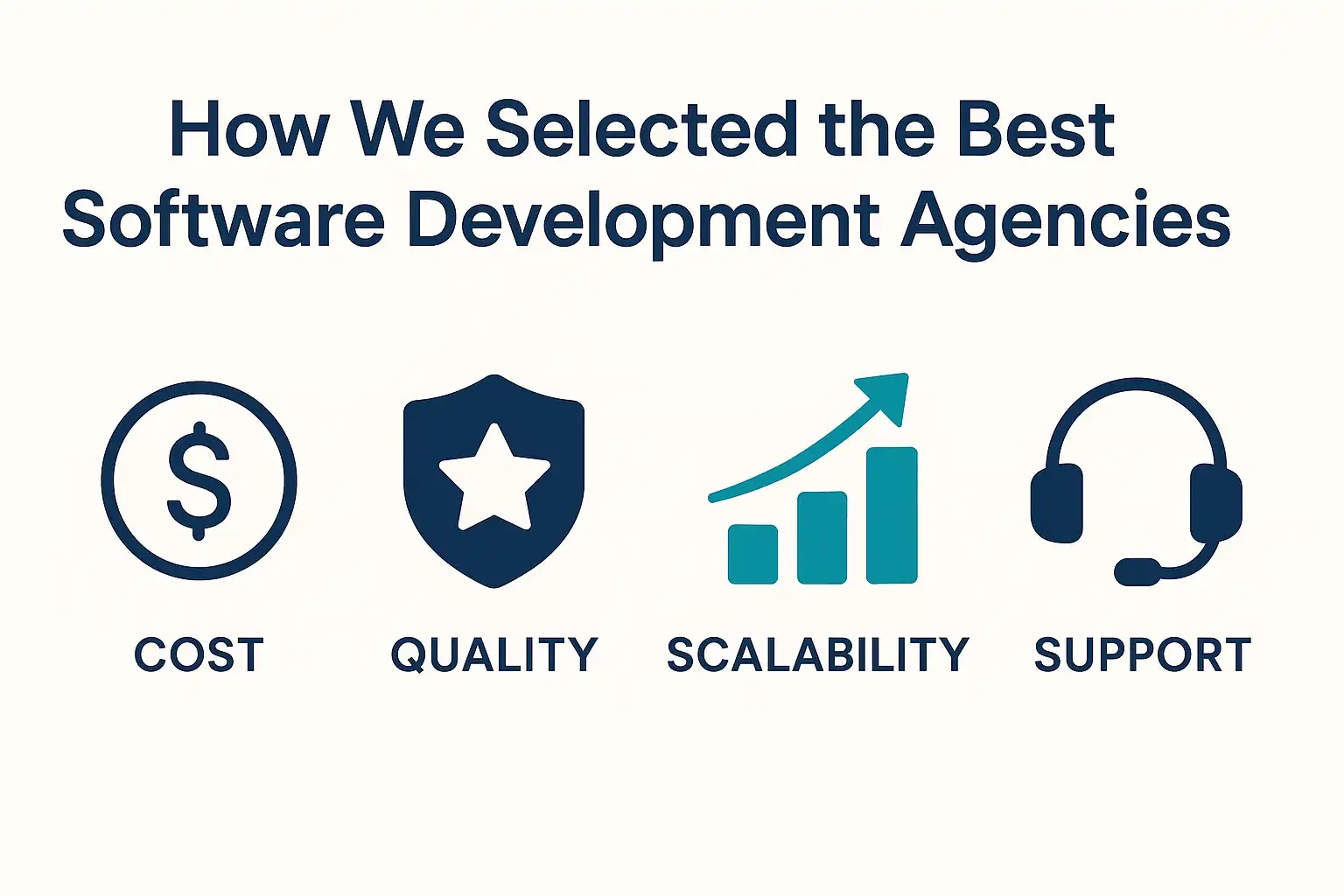
How We Selected the Best Software Development Agencies
Choosing a reliable software development agency involves more than technical checks—it’s about objective, multi-factor evaluation. Here, we outline the criteria, process, and practical considerations that shaped our shortlist, helping readers understand what drives real business value when outsourcing digital projects.
-
Breadth of services
Custom, web, mobile, QA, and ongoing maintenance.
-
Agile methodology
Strong project management discipline and repeatable delivery process.
-
Proven delivery
Complex and enterprise-level implementation experience.
-
Transparent engagement
Clear, scalable models that fit your roadmap.
-
Ongoing support
Support policies and knowledge transfer post-deployment.
Our Evaluation Process Explained
Our evaluation process for identifying a leading software development agency includes research, direct inquiry, and practical testing.
Steps we used
The steps below reflect a hands-on approach that highlights differences in communication, responsiveness, and ability to handle evolving requirements.
-
1. Portfolio review
Shortlisting agencies with diverse solutions and industry reach.
-
2. Reference checks
Contacting select clients to confirm delivery reliability.
-
3. Technology stack audit
Ensuring depth in both modern and classic frameworks.
-
4. Trial collaboration
Requesting sample discovery or prototyping exercises.
-
5. Support policy assessment
Verifying long-term partnership commitment.

Balancing Costs, Quality, and Support
Balancing cost, quality, and support is central to choosing a software development agency. The right fit offers transparent pricing, strong technical output, and responsive post-launch service—all in alignment with project goals.The key is to compare:
Key items to compare
- ● Upfront estimates versus final project scope delivery
- ● Developer experience level for comparable price points
- ● Range and reliability of support offerings (e.g., Software Support & Maintenance)
In real projects, trade-offs can emerge. Agencies with lower hourly rates may lack proactive aftercare, while higher-end partners often offer dedicated account management and ongoing improvements. Reviewing support SLAs and discussing upgrade options upfront helps set clear expectations.
Comparison table:
| Cost Model | Support Level | Typical Trade-Offs |
|---|---|---|
| Fixed Project Fee | Basic updates, limited hours | Lower flexibility |
| Time & Materials | Scalable, ongoing support | Higher transparency, cost can rise |
| Retainer/Subscription | Priority support, enhancements | Higher baseline cost, more proactive care |
This balance impacts satisfaction and long-term value.
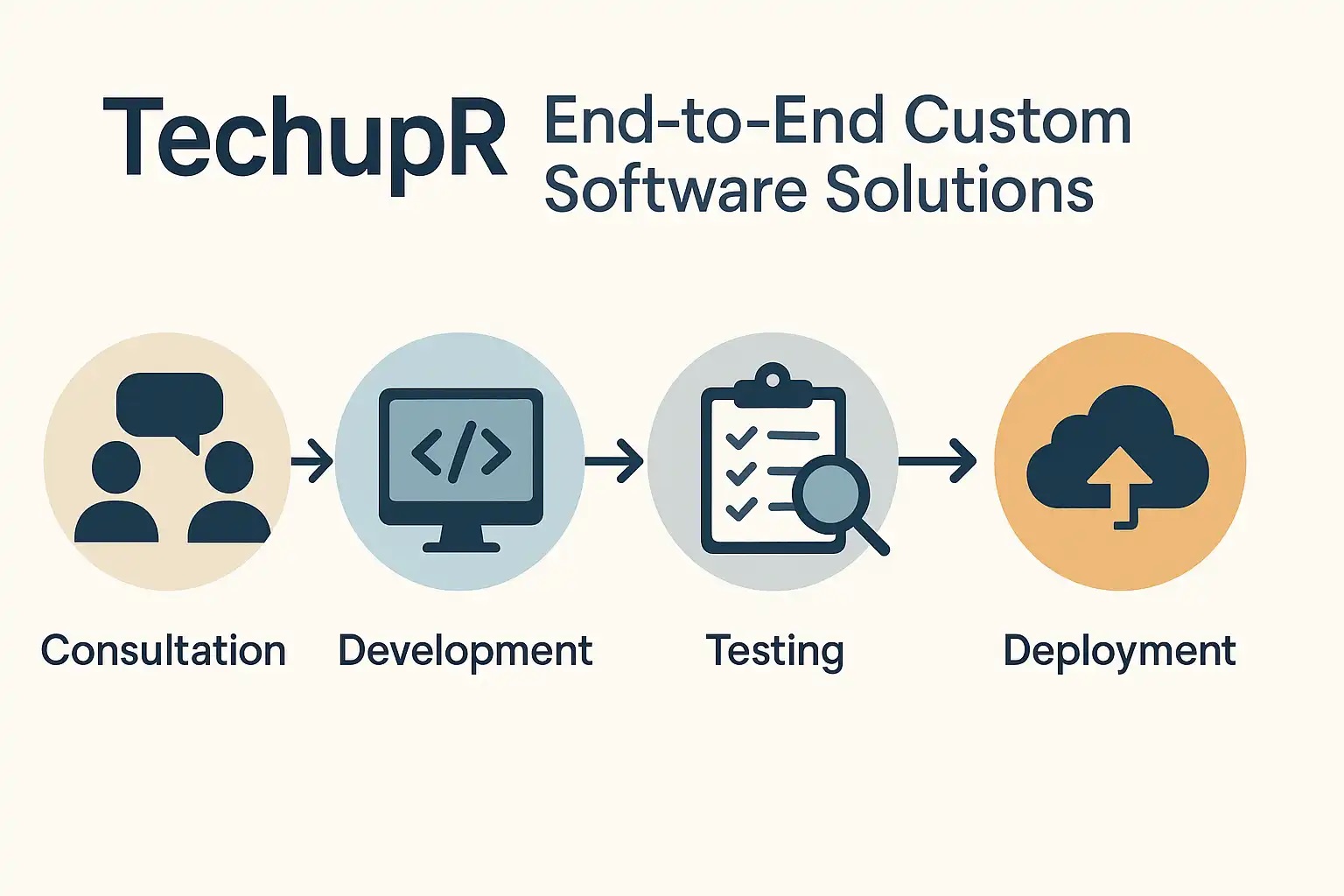
1. TechupR: End-to-End Custom Software Solutions
TechupR: End-to-End Custom Software Solutions
TechupR stands out as a software development agency offering tailored, full-cycle solutions for web, mobile, and enterprise needs.
-
What It Is
TechupR is a software development agency specializing in custom, end-to-end digital solutions. The company covers the entire project lifecycle, including design, development, deployment, and ongoing support. Their experience spans across 14+ industries and includes cloud integration, modern UI/UX, and advanced tech stacks. By focusing on bespoke solutions, TechupR aligns technology directly with unique business objectives, whether for startups needing MVPs or enterprises planning digital transformation.
In practice, businesses can rely on TechupR for both incremental improvements and full-scale overhauls. Their services extend beyond just building software—they offer partnership for custom software development, enterprise solutions, and post-launch support to promote operational efficiency.
-
Why It Matters
End-to-end solutions from a dedicated software development agency help minimize coordination risks and accelerate delivery timelines. Having a single partner reduces miscommunication, streamlines project management, and ensures seamless integration from initial planning through to aftersales support.
Why it matters:
- ● Reduces complexity during multi-phase projects
- ● Provides a centralized contact for issue resolution
- ● Enhances transparency in scope, delivery, and cost
- ● Enables integrated QA, maintenance, and scalable feature updates
From firsthand experience, working with an agency like TechupR means fewer handoffs and more accountability. Continuous alignment from the requirement assessment phase through delivery helps keep stakeholders on the same page.
-
How to Use It
The process to engage with TechupR follows a structured, collaborative path designed for clarity and agility. Here’s a typical approach:
- Schedule a Consultation: Start by booking a call with the TechupR team.
- Share Project Goals: Discuss functional requirements, timelines, and expected challenges.
- Develop a Tailored Proposal: TechupR prepares a solution covering MVP, integration, or full rollout.
- Design & Development: Agile sprints with reviews and feedback loops.
- Ongoing Support: Post-launch support and maintenance continue as your product evolves.
In hands-on experience, this structured engagement helps reduce friction and build momentum quickly, especially when aligning multiple teams or stakeholders.
-
Pros and Cons
TechupR's biggest strengths lie in its full-cycle expertise and technology breadth, with a few trade-offs for certain businesses.
Pros Cons Full-cycle custom and enterprise development Premium pricing for large, complex projects Agile methodology and dedicated project managers Deep consultation can extend kickoff time Strong QA and security-first approach May be more elaborate than needed for small MVPs Diverse technology stack and successful track record Based on industry comparisons, TechupR's comprehensive approach is valuable when you need more than just quick MVP development. Their process can introduce added steps, but the resulting solution is often more scalable and robust long-term.
-
Quick Tip
The best results with TechupR come from being explicit about scalability and support needs from the outset. Share your long-term goals, including expected growth and technical integrations. This enables TechupR to architect solutions that match your business roadmap and avoid costly reworks later.
If in doubt, request case studies or references similar to your sector from TechupR’s deployment examples before proceeding.
2. Veridian Apps: Mobile-First App Development
Veridian Apps: Mobile-First App Development
Focusing on intuitive mobile experiences, Veridian Apps specializes in app development built for phones and tablets first. This section explains their core offering, practical applications, comparative strengths and weaknesses, and actionable advice for evaluating mobile-first agencies.
-
What It Is
Veridian Apps is a software development agency that concentrates exclusively on mobile-first app development for iOS and Android platforms. Their team builds both native and cross-platform applications, helping businesses bring app ideas to market quickly. Unlike agencies that diversify across web and enterprise solutions, Veridian’s processes and expertise are dedicated to mobile product delivery only.
In practice, this makes them a strong fit for startups and companies prioritizing mobile user engagement. Their workflow often starts with mobile-centric design sprints and rapid prototyping using tools similar to those found in UI/UX Design, ensuring that app interfaces are intuitive from the outset. Projects usually progress to either Native App Development or CrossPlatformApplicationDevelopment based on specific requirements.
-
Why It Matters
A mobile-first agency matters because most users interact with businesses through their smartphones or tablets. Prioritizing mobile performance, user experience, and accessibility increases app adoption rates and helps organizations reach users where they spend the most time.
If your business strategy focuses on rapid MVP releases or capturing first-mover advantage in an app marketplace, a specialized mobile agency reduces friction and maximizes speed. Based on common implementation patterns, businesses that work with agencies like Veridian often receive clearer go-to-market timelines and feature-focused planning compared to broader service providers.
Why it matters:
- ● Enhanced mobile usability and engagement
- ● Faster iteration for MVPs
- ● Direct alignment with mobile trends and technologies
- ● Focused resources for mobile-centric strategies
-
How to Use It
To work with a mobile-first development agency like Veridian Apps, start by sharing your app concept, user goals, and target platforms. The agency will typically guide you through:
- Requirement Assessment: Clarify objectives, user personas, and must-have features. This step mimics processes used in thorough Requirement Gathering phases.
- UI/UX Design: Develop wireframes and prototypes focused on mobile usability.
- Development Sprint: Choose between native or cross-platform tech stacks, then build core app features.
- QA Testing: Conduct device-specific testing to ensure broad compatibility, referencing services such as Mobile App Testing.
In practice, clear documentation and feedback cycles keep teams focused on user experience and timely delivery.
-
Pros and Cons
The decision to choose a mobile-first agency like Veridian Apps involves several trade-offs.
Pros:
- ● Deep expertise in mobile UX and device compatibility
- ● Fast MVP launches, ideal for startups
- ● Streamlined communication with a focused team
Cons:
- ● Limited support for web or backend-heavy projects
- ● Less suited for multi-platform enterprise solutions
- ● May lack extensive integration options
In actual projects, clients benefit from the focus and speed, but often supplement mobile work with outside partners for backend or web integrations. When evaluating agencies, weigh these strengths and weaknesses alongside your long-term roadmap or see more options in Mobile Application Development.
-
Quick Tip
When speed to market is vital, define your minimum viable product (MVP) early and communicate non-negotiable mobile features upfront. Mobile-focused agencies can move fastest when objectives are clear and feedback is direct. For accelerated rollouts, explore starting with MVP Application Development to iterate quickly before full launch.
3. NuvemWorks: Agile Enterprise Software Expertise
NuvemWorks: Agile Enterprise Software Expertise
NuvemWorks stands out for its focus on agile methodologies in enterprise software development, catering to businesses with large-scale or complex digital needs. This section examines how their approach addresses common enterprise challenges and what practical steps are involved for organizations considering this type of vendor.
-
What It Is
NuvemWorks is a software development agency specializing in agile enterprise software solutions. The agency emphasizes iterative delivery, continuous feedback, and close alignment with client business goals.
Agile enterprise development means NuvemWorks tackles projects involving cloud migration, process automation, and modernization of legacy platforms, adapting plans as client requirements evolve. While some agencies focus on consumer apps or MVPs, NuvemWorks offers tailored solutions for organizations needing comprehensive digital transformation.
In practice, enterprise projects frequently demand cross-functional teams, compliance awareness, and scalability. This makes their approach distinct from smaller-scale or generic software builds, and often appeals to IT managers prioritizing efficiency and flexibility. For a broader industry context, you can compare this methodology with the practices outlined on Enterprise Software Development.
-
Why It Matters
Agile enterprise software development matters because it minimizes risk, encourages adaptability, and accelerates time-to-value for large organizations. Many enterprises face hurdles such as complex legacy systems, shifting regulatory compliance, or changing business priorities.
By taking an agile approach, NuvemWorks enables continuous updates and collaborative planning, reducing the chance of costly misalignments. This can prove valuable when launching new platforms or unifying existing software ecosystems across departments.
Why it matters (summary):
- ● Reduces risk of project failure or overruns
- ● Supports timely response to changing requirements
- ● Enhances collaboration with stakeholders
- ● Improves software scalability for long-term growth
Based on common implementation patterns, ongoing feedback loops are critical for avoiding scope creep and for meeting core enterprise objectives.
-
How to Use It
To work with an agile-focused enterprise software agency like NuvemWorks, organizations typically follow these steps:
- Stakeholder Consultation: Identify core business needs and involve relevant departments.
- Discovery Phase: Collaborate to map workflows, integrations, and compliance factors.
- Iterative Planning: Set short development sprints and prioritize high-value features first.
- Continuous Review: Stakeholders regularly assess progress and reprioritize as needed.
- Deployment & Support: Roll out updates incrementally, ensuring operational stability.
In practical terms, enterprise-level engagements often start with a workshop or formal Initial Client Consultation. This helps teams clarify not just delivery scope but also compliance and integration risks before development begins.
-
Pros and Cons
The main advantages of using NuvemWorks for agile enterprise projects include flexibility, scalability, and strong alignment with evolving goals. However, this approach can involve a higher minimum project size and longer lead times compared to smaller, fixed-scope agencies.
Comparison Table:
Feature NuvemWorks Conventional Agencies Agile Focus Yes Variable Enterprise Specialization Strong Limited/Generalist Cloud & Migration Skills Extensive Varies Minimum Project Size Higher Lower for basic services Timeline Flexibility Built-in Often fixed From first-hand experience, larger organizations appreciate the structured feedback cycles, though smaller teams may find the cadence or entry costs less suitable.
-
Quick Tip
Plan for stakeholder involvement from the outset when partnering with an agile enterprise agency. Early engagement ensures decisions reflect the needs of your IT, operations, and compliance teams, making the transition to modern platforms smoother and helping avoid costly rework at later stages. Organizations that maintain active participation often see better project outcomes and alignment with their long-term digital strategy.
4. CodeVantage: Software Outsourcing for Fast Scaling
CodeVantage: Software Outsourcing for Fast Scaling
CodeVantage addresses the growing demand for rapid scaling in software projects by offering flexible outsourcing models. When time-to-market and on-demand expertise are key, outsourcing can help businesses scale their teams without long-term commitments. This section explores what sets CodeVantage apart and how to leverage outsourced development effectively.
-
What It Is
CodeVantage is a software development agency specializing in outsourcing to facilitate fast scaling. This model lets organizations quickly extend their development capacity by engaging global talent for roles such as backend, frontend, or full-stack engineering. Outsourcing with CodeVantage is particularly useful for projects that require quick turnaround, specialized skills, or temporary boosts in development resources without hiring permanent staff.
For companies working on simultaneous projects or MVPs, using outsourced developers can keep delivery timelines agile. From first-hand experience, integrating external team members works best when onboarding and expectations are clearly defined from the outset. For different approaches to engaging external expertise, see Hire Expert Software Developer.
-
Why It Matters
Outsourcing with CodeVantage is important because it solves common bottlenecks faced by businesses trying to stay competitive. When project backlogs grow, or niche skills are required, augmenting your team with external developers allows for:
- ● Shorter time-to-market
- ● Increased development throughput
- ● Flexible scaling that matches business cycles
The ability to adapt your team size without complex hiring processes gives organizations staying power in dynamic markets. In practice, companies often find that temporary resource boosts via outsourcing are more cost-efficient than expanding the in-house headcount during busy phases.
Why it matters:
- ● Accelerates software delivery
- ● Lowers upfront hiring costs
- ● Reduces gaps in technical expertise
- ● Responds swiftly to changing priorities
- ● Supports both short-term sprints and long-term growth
-
How to Use It
To use CodeVantage for software outsourcing, follow these steps:
- Define Project Scope: Outline tasks, skills needed, and project goals in detail.
- Select Engagement Model: Decide between staff augmentation, dedicated teams, or project-based work.
- Onboard Developers: Integrate remote talent with clear documentation, kickoff meetings, and project tools.
- Monitor Progress: Use regular check-ins and agile sprints to keep deliverables on track.
In practice, the initial period involves ramp-up and calibration between your internal and outsourced teams. Many companies choose to pilot with a smaller milestone before fully scaling up. For more details about working with outsourced teams, visit Hire Dedicated Developers.
-
Pros and Cons
Outsourcing development through CodeVantage has clear advantages and limitations.
Pros:
- ● Fast access to skilled developers
- ● Flexible contracts and team scaling
- ● Cost reduction versus long-term hiring
- ● Fills technical skill gaps
Cons:
- ● Time zone and communication barriers
- ● Quality may vary by team or project lead
- ● Additional management overhead
From direct project experience, outcomes are optimal when expectations, timelines, and communication tools are established upfront. Outsourcing is often most successful for companies with processes for onboarding remote contributors and tracking deliverables systematically.
Table: CodeVantage Key Pros and Cons
Pros Cons Flexible scaling Time zone coordination required Easier access to skills Quality consistency varies Cost-efficient Onboarding/training efforts needed -
Quick Tip
Clear communication is vital when managing a distributed outsourced team. Establish daily standups, feedback cycles, and shared documentation to maintain momentum and project alignment. Strong onboarding processes can dramatically reduce friction and ensure fast integration of external contributors.
5. QA Ultra: End-to-End Testing & Quality Assurance
QA Ultra: End-to-End Testing & Quality Assurance
QA Ultra provides dedicated quality assurance focused on eliminating defects across software projects. Their services bridge manual and automated testing, helping businesses maintain stable releases and a seamless user experience.
-
What It Is
QA Ultra is an agency specializing exclusively in quality assurance and end-to-end software testing. Their scope covers manual testing, test automation, regression audits, and performance verification for web, mobile, and enterprise systems. Unlike traditional development agencies, QA Ultra does not build software but ensures products developed by software development agencies are reliable and ready for deployment.
In practice, engaging an independent QA provider like QA Ultra can reveal issues internal developers might overlook, resulting in fewer production bugs and more predictable project launches.
-
Why It Matters
Thorough quality assurance is essential because it reduces risk and builds user trust. Without dedicated QA resources, software is more likely to contain bugs or performance issues that disrupt operations or frustrate end-users.
- ● Prevents revenue loss due to downtime or data errors
- ● Improves customer satisfaction by delivering stable products
- ● Supports regulatory compliance through documentation and test reporting
Teams working with outside QA partners often find that unbiased feedback accelerates improvement cycles, ultimately raising the bar for launch-readiness and long-term maintainability.
-
How to Use It
To engage QA Ultra, organizations usually follow a sequence:
- Discovery: Share your product specs, workflows, or existing test coverage.
- Assessment: QA experts recommend manual, automated, or hybrid testing models suited to your stack.
- Testing: Iterative test cycles begin, often paralleling custom software development or after feature completion.
- Feedback: Receive documented issue lists and actionable insights; retest as fixes are applied.
Based on common implementation patterns, collaborating early with QA drives smooth handoffs and minimizes last-minute production delays.
-
Pros and Cons
The key benefits of working with QA Ultra include:
- ● Specialized focus—no split attention with active development
- ● Access to manual and automated test solutions
- ● Detailed reporting and compliance-ready documentation
Potential drawbacks are:
- ● QA-only scope—they do not deliver feature development
- ● May be costlier for small or short-term projects
From firsthand experience, third-party QA promotes clearer boundaries, though it may introduce additional coordination steps, especially for startups co-managing fast sprints.
-
Quick Tip
Integrating QA Ultra services early, rather than waiting until the final stages, helps catch issues while changes are easier and less expensive to address. Communication between development and QA teams is vital to speed up iterations and clarify which defects are most impactful for your deployment environment.
6. Software Development Agency Comparison: Side-by-Side Analysis
Software Development Agency Comparison: Side-by-Side Analysis
Comparing software development agencies directly can clarify which provider best aligns with your business and technical needs. This section provides a side-by-side analysis of leading agencies based on core features, services, and value-added support points for 2026.
-
Feature and Service Comparison Table
A software development agency comparison table enables clear, objective evaluation of strengths, specialties, and support structure across providers. The table below summarizes essential factors:
Agency Best For Custom Software Mobile Apps Enterprise Solutions Agile QA & Testing Client Support Pricing Model TechupR End-to-end transformation Yes Yes Yes Yes Yes Dedicated PM, aftersales Project-based, Retainer Veridian Apps Rapid mobile launches No Yes No Limited Limited Direct app support Fixed, Agile Sprints NuvemWorks Large enterprise projects Yes Limited Yes Yes Yes Account Manager Project-based, Hourly CodeVantage Flexible team scaling No Yes Yes Yes Optional QA Account/project manager Hourly, Retainer QA Ultra Independent QA/testing No No Yes N/A Yes QA team point-of-contact Fixed, Retainer This format makes it easier to compare how each agency handles offering Custom Software Development, enterprise support, or mobile-specific services. Having worked with different vendors, a table like this has often helped teams prioritize key fit areas quickly.
-
Key Takeaways from the Analysis
The main findings from this agency comparison demonstrate where each stands out and where limitations exist.
- ● TechupR is suited for companies seeking end-to-end digital transformation and strong Software Development support.
- ● Veridian Apps fits mobile-first strategies, offering quick delivery on iOS and Android but limited web features.
- ● NuvemWorks excels at enterprise IT projects, especially for modernizing or scaling backend systems.
- ● CodeVantage provides on-demand scaling—practical when team flexibility and cost control are priorities.
- ● QA Ultra is highly specialized for Quality Assurance and testing without providing dev services themselves.
In practice, this analysis reveals that matching business needs to primary agency strengths is more effective than seeking a "one size fits all" provider.
-
When to Choose Each Option
Knowing when to select a specific software development agency depends on your project type, risk profile, and resourcing.
- ● Choose TechupR for holistic solutions requiring personalized planning, full-cycle builds or large-scale transformation.
- ● Pick Veridian Apps if speed to market for a new or re-platformed mobile app is the top concern.
- ● Select NuvemWorks when you need heavy enterprise integration or cloud migration expertise.
- ● Go with CodeVantage if you need to augment your team quickly with skilled developers.
- ● Work with QA Ultra for robust QA and testing — even if you already have development partners.
Based on common implementation scenarios, mapping your requirements to agency specialty areas makes selection far more efficient and reduces the risk of misaligned project outcomes.
Conclusion
Choosing the right software development agency sets the foundation for scalable growth and innovation. To move forward with confidence:
● Clearly define your business objectives and scalability requirements before reaching out to any agency
● Shortlist vendors that specifically address your industry, technical stack, and project size
● Ask detailed questions about agile processes, post-launch support, and technology adoption
● Review case studies and request tailored proposals to compare value and fit
FAQS
Frequently Asked Questions
